How to Handle 3D-Printed Resin Miniatures Safely
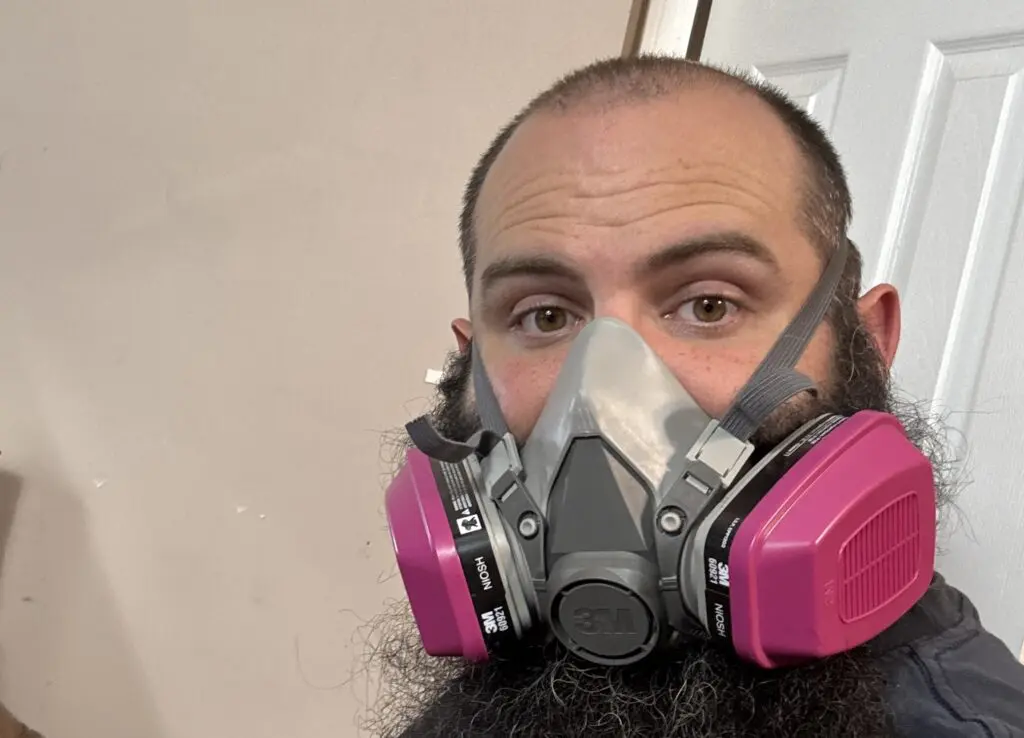
Quick one, but an important one. The mini I sent you is already cured and cleaned, so holding it, painting it, and sticking it on a shelf is totally fine. Cured resin is basically inert plastic. You don’t need to suit up to glue an arm on.
But the second you start sanding, drilling, cutting, or filing one of these little guys, you’re making dust and tiny bits, and that’s where you want to be smart about it. I do this stuff every day down in the dungeon, so here’s how I keep from breathing plastic. None of it is hard.
The two rules that matter most
If you forget everything else, remember these two.
- Wet sand. Never dry sand. Dry sanding throws fine resin particles straight into the air and straight into your lungs. Wet sanding, with the part and the paper wet, catches all that dust in the water as a slurry so it never goes airborne. Dunk it, sand under a trickle of water or in a little tub, wipe, repeat. Slower, way cleaner, way better for your lungs.
- Always wear a respirator. Not a paper dust mask you found in a drawer. A real respirator. More on which kind in a second, but the short version is your lungs don’t grow back, so cover them.
Which respirator, though
This part trips people up, so here’s how it shakes out. For the dust you make sanding cured resin, you want a particulate filter. A P100 is the gold standard and stops basically all the fine stuff. If you’re ever around liquid uncured resin or the fumes coming off it, that same particulate filter does nothing for the vapors, and you need an organic vapor cartridge for those. A combo cartridge that does both (organic vapor plus P100, like the 3M 60921) is what I’d grab if you’re only buying one.
What does not cut it: a paper surgical mask or a plain N95 against fumes. They catch particles, not vapors. For dry dust an N95 beats nothing, but you shouldn’t be making dry dust in the first place. See rule one.
The rest of the kit
- Eye protection. Safety glasses. Flicked bits and splashes love finding eyeballs.
- Gloves if you’re cutting a lot. Cured resin is gentle on skin, but if you’re handling a pile of freshly cut surfaces or doing repair work with fresh resin or glue, nitrile gloves (not latex, not vinyl) are cheap insurance.
- Work over something you can wipe down. Catch the slurry and the bits, clean it up after, and don’t let dust pile up on your desk where it can get stirred back into the air.
- Wash your hands when you’re done. Before you eat, before you rub your eyes, before you go pet the dog. Boring. Works.
If you print your own too
A lot of you reading this are printing your own stuff, so a few extra notes for the liquid side, because uncured resin is the part that actually deserves some respect.
- Keep it off your skin. This is the big long-term one. Uncured resin is a sensitizer, which means repeated contact can quietly turn into a real allergy over months or years, and once you’re sensitized even a tiny bit will set you off. Nitrile gloves every single time, and swap them out regularly, because resin works through them eventually.
- Ventilate. Print and clean somewhere with real airflow, ideally venting outside. Don’t do it in a sealed closet and hope for the best.
- Cure your waste before you trash it. Leftover resin, dirty paper towels, used gloves, the IPA you washed parts in, all of it counts as hazardous while it’s still uncured. Set it in the sun or under a UV light until it’s fully solid, then bin it.
- Never pour resin or resin-y IPA down the drain. It’s toxic to fish and pretty much everything else in the water, and it doesn’t break down. Cure it, don’t rinse it away.
When in doubt, read the sheet
Every resin has a Safety Data Sheet that spells out its specific hazards and what to do, even for the cured stuff. I keep the SDS and the rest of the paperwork for the resin I print in right here: Siraya Tech Build (Grey). Everything else I use lives on the Materials & Safety page. If you printed with something else, dig up its sheet and skim it. Takes five minutes.
The boring disclaimer (sorry, gotta)
I’m a hobbyist sharing what works for me in my own basement. I’m not a doctor, a chemist, or a safety professional, and this post is general hobby tips, not professional, medical, or safety advice. It’s no substitute for the manufacturer’s Safety Data Sheet or the guidance of a qualified professional. How you work with these materials, and whatever tools or chemicals you bring into it, is on you, and Yellow Imp Miniatures isn’t liable for what happens when you sand, cut, print, or otherwise mess with your minis. If you’re not sure about something, stop and check the SDS or ask a pro. Use your head and protect yourself.
That’s it. Wet sand, wear the respirator, keep the dust down, and go make something cool. I’ll see you tomorrow.